Sustainability
Statement

OUR ENVIRONMENTAL
MANAGEMENT

SAMEE acknowledges that every aspect of our business affects the environment, whether positively or negatively. To minimise our environmental footprint and ensure compliance with applicable laws and regulations, we have developed an Environmental Policy that emphasises environmental responsibility, resource conservation, and mindful consumption. We regularly update this policy to align with the latest sustainability standards.
Recognising the serious implications of climate change and its potential impact on our operations, the natural environment, and society, we actively monitor and optimise our greenhouse gas (“GHG”) emissions. Climate change is an integral consideration in our sustainability and business strategies.

Performance Data

In FY2024, SAMEE generated 609.25 metric tonnes of hazardous waste, with an intensity of 0.41 metric tonnes per million revenues. All waste generated during the year was diverted from disposal and sent for recycling by vendors, ensuring that no waste was disposed of in landfills. This commitment to recycling reflects SAMEE’s dedication to minimising environmental impact and promoting sustainable waste management practices.
During SAMEE’s production process, a significant amount of effluent will be generated, particularly for our aerospace segment. We are committed to ensuring that the quality of effluent discharged complies with local regulations through various management measures and minimises the environmental impact. In FY2024, SAMEE discharged 82,896 kilolitres of effluent, an increase from the 54,927 released in FY2023.

Waste Intensity – waste generated / production or sales revenue
(Metric Tonnes per RM Million Net Revenue)

Effluent Intensity
(Kilolitres per RM Million Net Revenue)

Figure 7: Scheduled Waste Disposed

ENERGY MANAGEMENT
(GRI 302)

Management Approach

With the growing emphasis on decarbonisation, companies must pay closer attention to energy sources and management to decrease their own and their supply chain’s environmental impact, contributing to a low-carbon or net-zero society. SAMEE has consistently monitored and disclosed its energy consumption over the years. Our goal is to lower energy use to reduce our environmental footprint.

Target, Strategies, Initiatives

Energy Consumption

As a production-oriented company, SAMEE has multiple facilities, including factories and offices, so significant energy consumption is inevitable. In the production process, we improve energy efficiency through equipment updates, process optimisation and mass production. Our newly set-up Zirconium line in Thailand, which is replacing the existing phosphating process, operates at ambient temperature, thus minimising energy consumption.
In addition to encouraging employees to control air-conditioning and lighting, we have implemented a new policy to turn off office air-conditioning after 7 pm to conserve energy. We have optimised energy efficiency in our office spaces by adjusting temperatures to 24 to 26°C, ensuring comfort while minimising energy usage. Additionally, solar film has been installed on windows to reduce heat gain, thereby decreasing the reliance on air-conditioning systems. Timers have been installed on electrical appliances to further promote energy conservation, automatically switching them off when not in use. These initiatives reflect our ongoing commitment to reducing our environmental footprint and operating as sustainably as possible.
In FY2024, we installed 24 sets of solar street lighting, replacing all conventional street lighting in the PE5 plant to offset our energy consumption. Our solar cell lighting system has proven to be highly effective, contributing to an estimated saving of 144 kWh per day, equivalent to 52,560 kWh per year. This substantial reduction in our energy consumption has significantly decreased our reliance on non-renewable energy sources.
Additionally, we have installed an EV charging station to encourage our employees to use green vehicles. This initiative aligns with our commitment to reducing our carbon footprint and promoting sustainable transportation options.

Performance Data

Electricity Consumption
(MWh)

Energy Intensity
(MWh per RM Million Net Revenue)

Figure 8: Energy Consumption

WATER MANAGEMENT
(GRI 303)

Management Approach

We aim to foster awareness among employees about water conservation in their daily work and optimise the utilisation of water resources. SAMEE is committed to responsible water management practices as outlined in our Environmental Policy, which emphasises the importance of preventing pollution and adhering to environmental protection measures whenever possible. To ensure compliance with environmental standards, we follow the Department of Environment Standard B for industrial effluent, as outlined in the Environmental Quality (Industrial Effluent) Regulations 2009. This serves as our primary reference for managing and monitoring our industrial effluent discharge.

Targets, Strategies & Initiatives

The company’s main water source is from Perbadanan Bekalan Air Pulau Pinang (“PBA”), which is monitored daily through meter readings and water bills as part of our efforts to identify and assess water-related impacts and track water usage. We also periodically review water consumption and effluent data to ensure our water management practices remain effective.
SAMEE has implemented systems to reduce water consumption by utilising rainwater harvesting and recycling water through a Reverse Osmosis (“RO”) process.
Additionally, the company has installed faucet nozzle filters for further water conservation and operates a wastewater treatment plant to treat wastewater before discharge. Approximately 44 cubic meters per day of RO recycled water will be utilised for toilet flushing, scrubber systems, gardening and the wastewater treatment plant. We have installed water tap inserts in our Singapore and Thailand sites to regulate water use and reduce water wastage. We will continue exploring potential options in our water management plan to roll out these initiatives at all our sites.

Performance Data

Our water consumption includes both production water and domestic water. In FY2024, our water consumption was 213.03 megalitres, marking a 20% rise from FY2023. This was mainly due to the addition of new factories and the increase of our production capacity to support the growth of our businesses.

Total Water Consumption
(Megalitres)

Water Intensity
(Megalitres per RM Million Net Revenue)
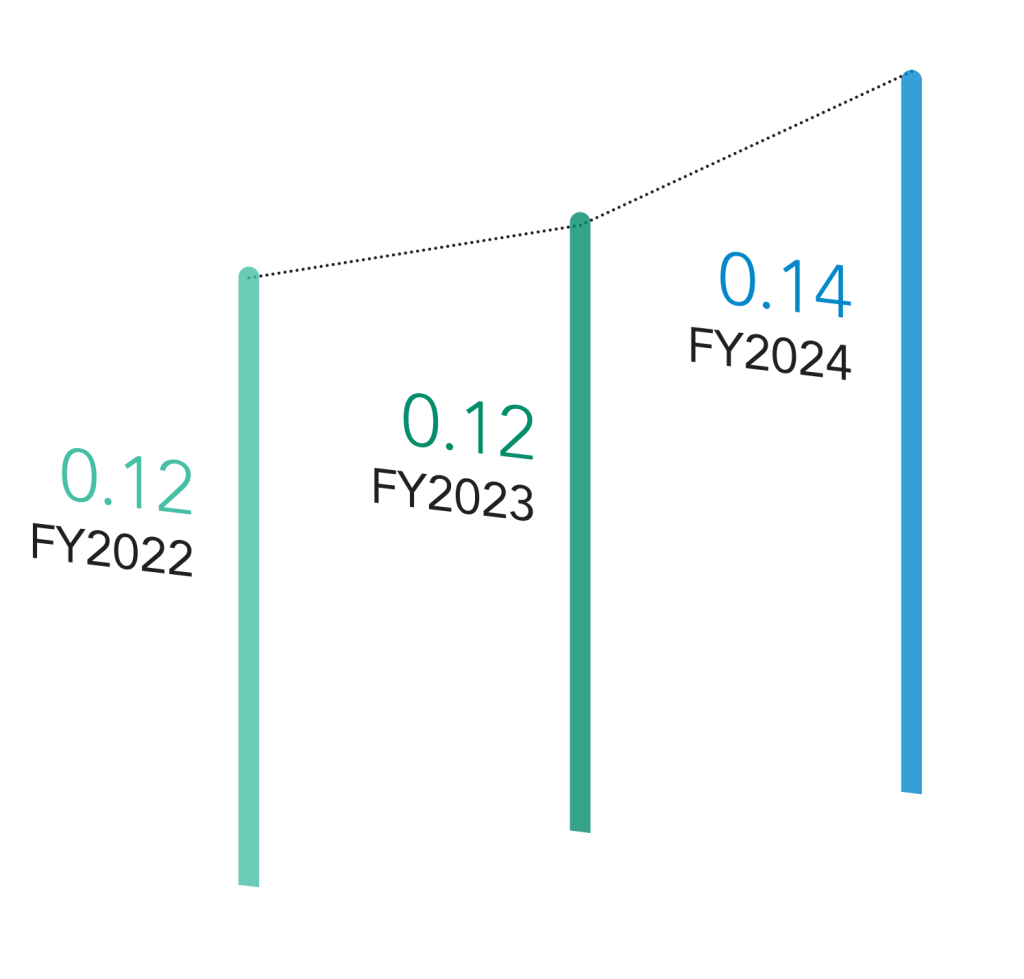
Figure 9: Water Consumption

CLIMATE CHANGE

GHG EMISSIONS
(GRI 305)

Management Approach

SAMEE understands that climate change can affect our production and operations both positively and negatively. Moving forward, we will work on identifying climate-related risks and opportunities, evaluating their potential and actual impacts on SAMEE, and mitigating them through strategic planning and risk management. Climate change considerations will be integrated into our strategic development process as we pursue more sustainable and environmentally friendly business practices.

Target, Strategies, Initiatives

In 2023, SAMEE set a target to reduce its GHG emission intensity by 10% annually over the next three years. As we enter the second year in 2024, we continue our efforts towards achieving this goal.
We are establishing a GHG emission data tracking and management system and disclosing GHG emissions data from FY2023. In the future, we will further improve the coverage of the data scope, promote carbon inventory work and master the comprehensive carbon emissions status of our operations. In addition, we will consider the collection and calculation of scope 3 data where feasible to assess the industry’s carbon emissions and seek decarbonisation opportunities from the supply chain perspective.
Since becoming fully operational in July 2023, the implementation of the zirconium line to our new production facility in Thailand has significantly reduced electricity consumption. By using electricity more efficiently to generate heat, we have successfully reduced our carbon footprint.
Having explored the feasibility of renewable energy, we have embarked on a solar panel journey to reduce negative environmental impacts and contribute to reducing scope 2 GHG emissions from electricity consumption. In February 2024, we successfully installed and activated our first solar panel system on-site. This system has a capacity of 1,487 kWp and is capable of generating approximately 2,142 MWh of solar-generated electricity annually. As a result of this initiative, we anticipate a significant reduction of 1,178 tonnes of CO2 emissions each year.
In addition, we are also focusing on reducing GHG emissions generated outside of SAMEE. In this reporting period, we continued to encourage our employees to participate in our Carpooling Incentive Programme to reduce the number of vehicles on the road and decrease the emission of harmful pollutants. In daily management, we promoted the following measures to improve resource and energy efficiency and reduce emissions.
  • Lower the consumption of coolant use through machinery and process optimisation and thus, reduce the scheduled waste.
  • We encourage all air conditioners at the office to be set between 24 and 26 degrees Celsius, as per recommendation by the Malaysian government, to reduce our GHG emissions.
  • Wastewater generated from the chemical line is fully treated through our world-class wastewater treatment plant and limited waste is generated.
  • We have resumed discussion with the Malaysian Investment Development Authority (“MIDA”) on the green technology incentive programme. All new buildings will take into consideration of solar panel installation readiness.
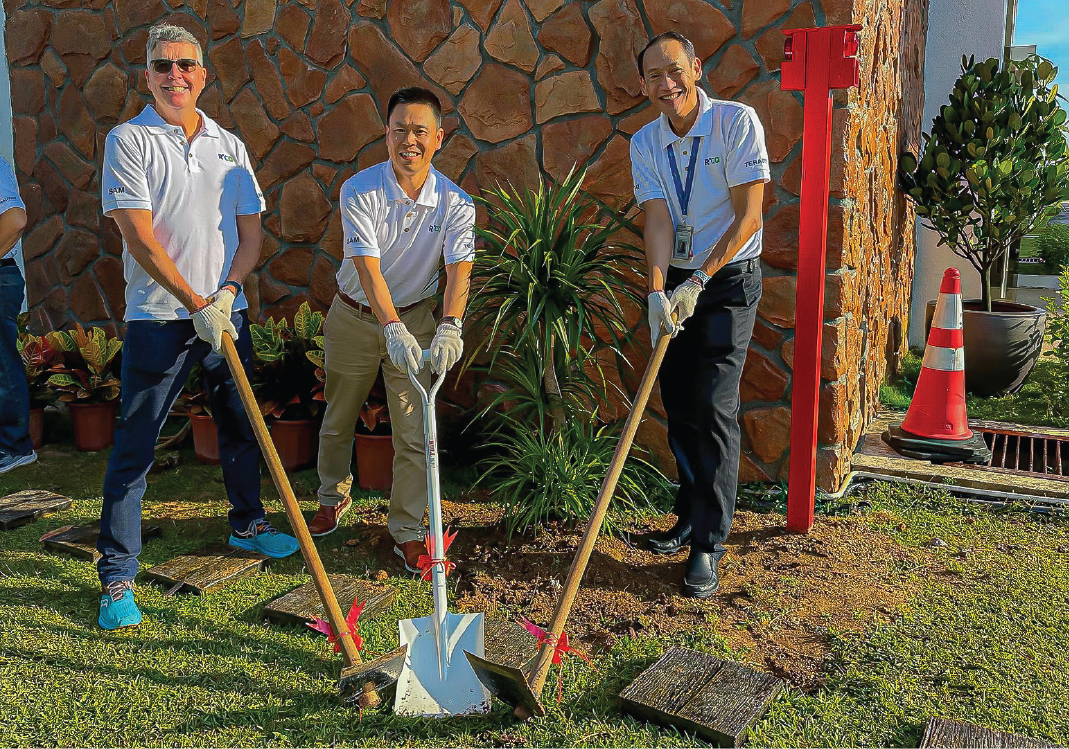
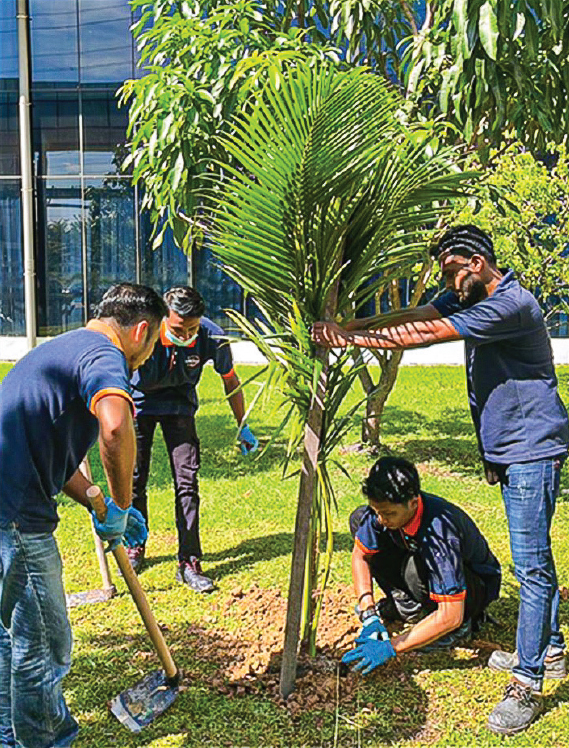
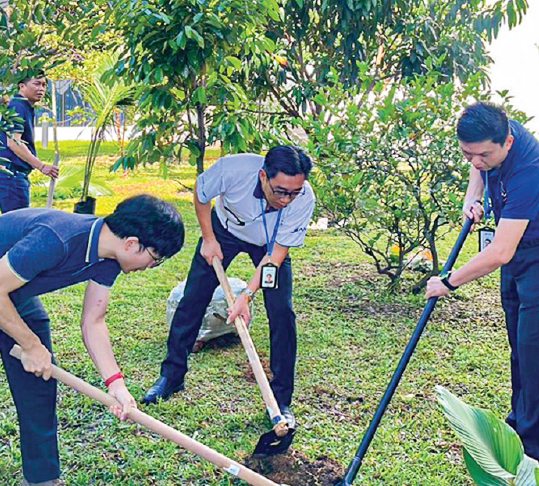
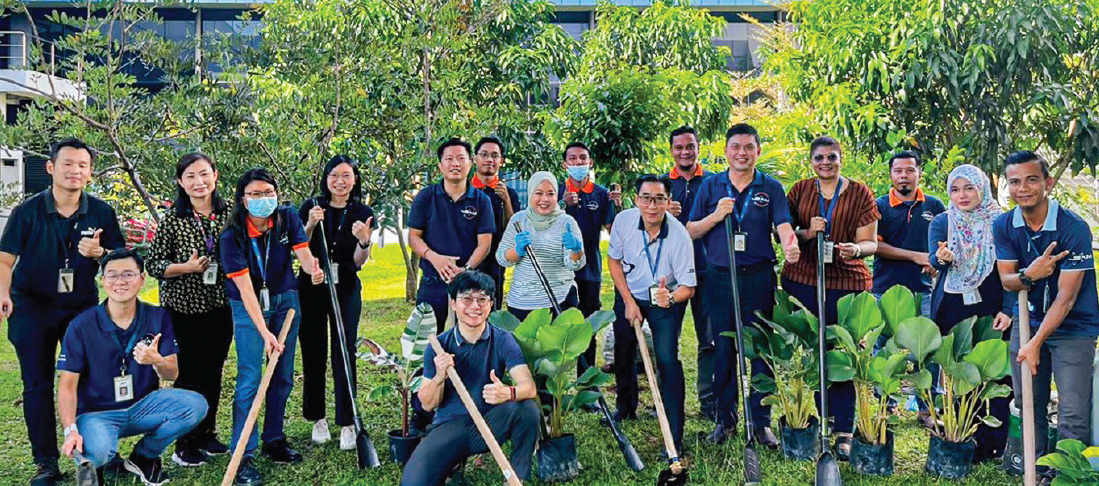
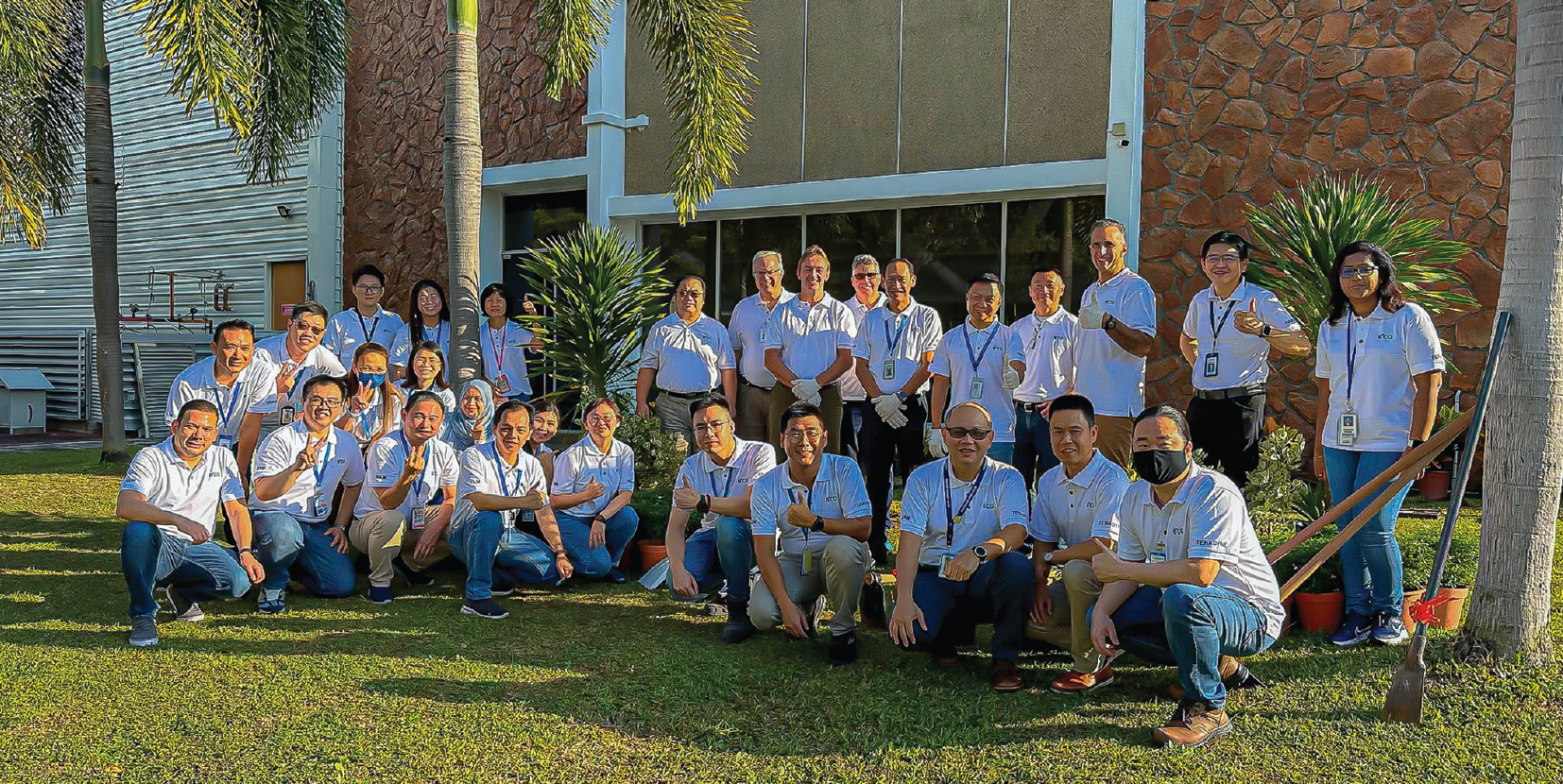
  • Implementing green planting initiatives, including providing an office plant for each employee and in common areas, as well as tree planting surrounding the office building involving both employees and customers.
SAMEE Carpooling Programme:
The SAMEE Carpooling Programme encourages employees to reduce our carbon footprint and contributes towards environmental sustainability and GHG emissions reduction.
In FY2023, the program was successfully launched in January, with an initial three (3) groups of carpoolers signing up. By the end of the FY2024 reporting period, the program had expanded to seven (7) carpooling groups, collectively reducing employee commuting distance by 9,455 kilometres. Through its carpooling program, SAMEE successfully reduced CO2 emissions by 1.55 metric tons. This marked a significant first step towards environmental sustainability and emissions reduction, focusing on employee commuting.

Performance Data

In FY2024, SAMEE began monitoring Scope 1 emissions, primarily derived from fuel consumption related to transportation and forklift operations. The total Scope 1 emissions for the year amounted to 183.68 metric tons of carbon dioxide equivalent (tCO2e).

Scope 2 GHG Emissions
(Metric Tonnes of CO2 equivalent) 

GHG Emissions Intensity
(Metric Tonnes of CO2 equivalent
per RM Million Net Revenue) 
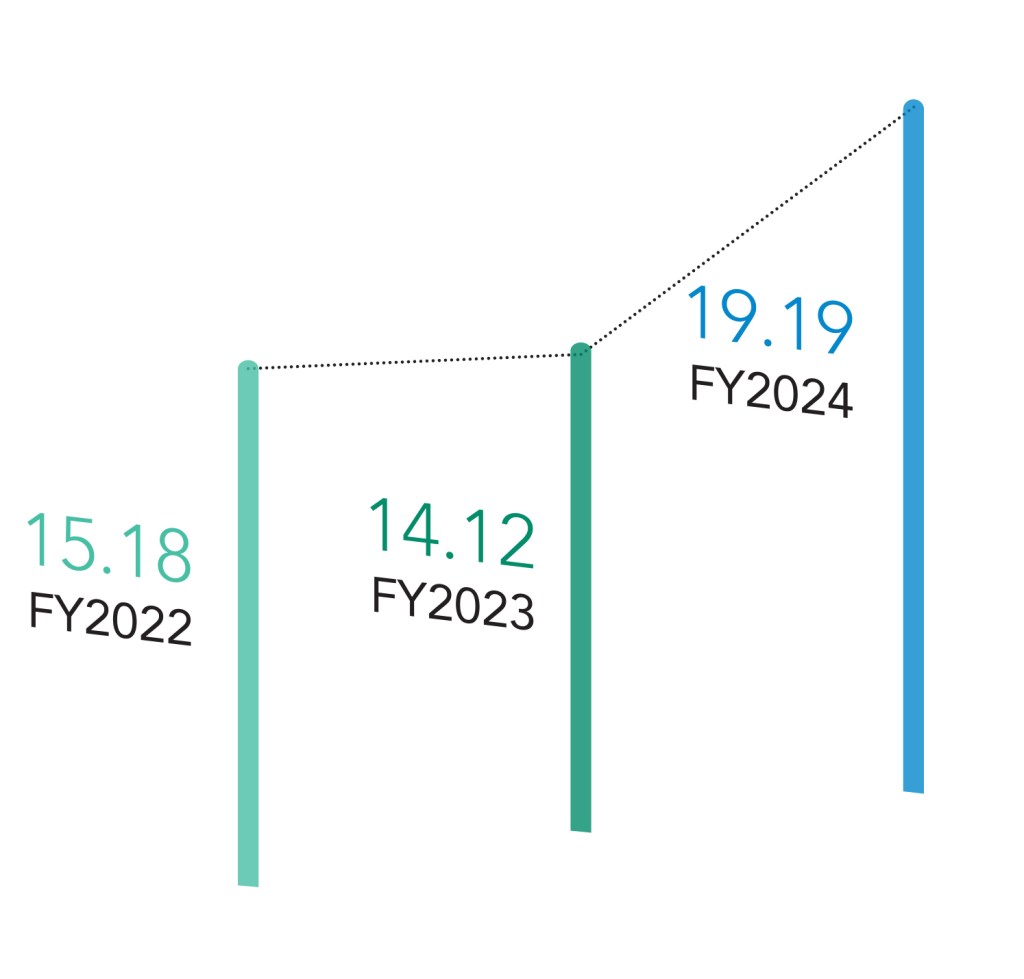
Figure 10: GHG Emissions
Scroll to Top