Sustainability Statement 3

SUSTAINABILITY
STATEMENT

🔊

Materiality Assessment

SAMEE performed a materiality assessment during the financial year ended 31 March 2022. The materiality assessment ensures that material matters are relevant and will remain relevant until the next materiality assessment. This will definitely enhance our approach in managing the sustainability risks and opportunities posed to our business and helps us in ensuring that we prioritise the issues that have the greatest impact on the economy, society and the environment.
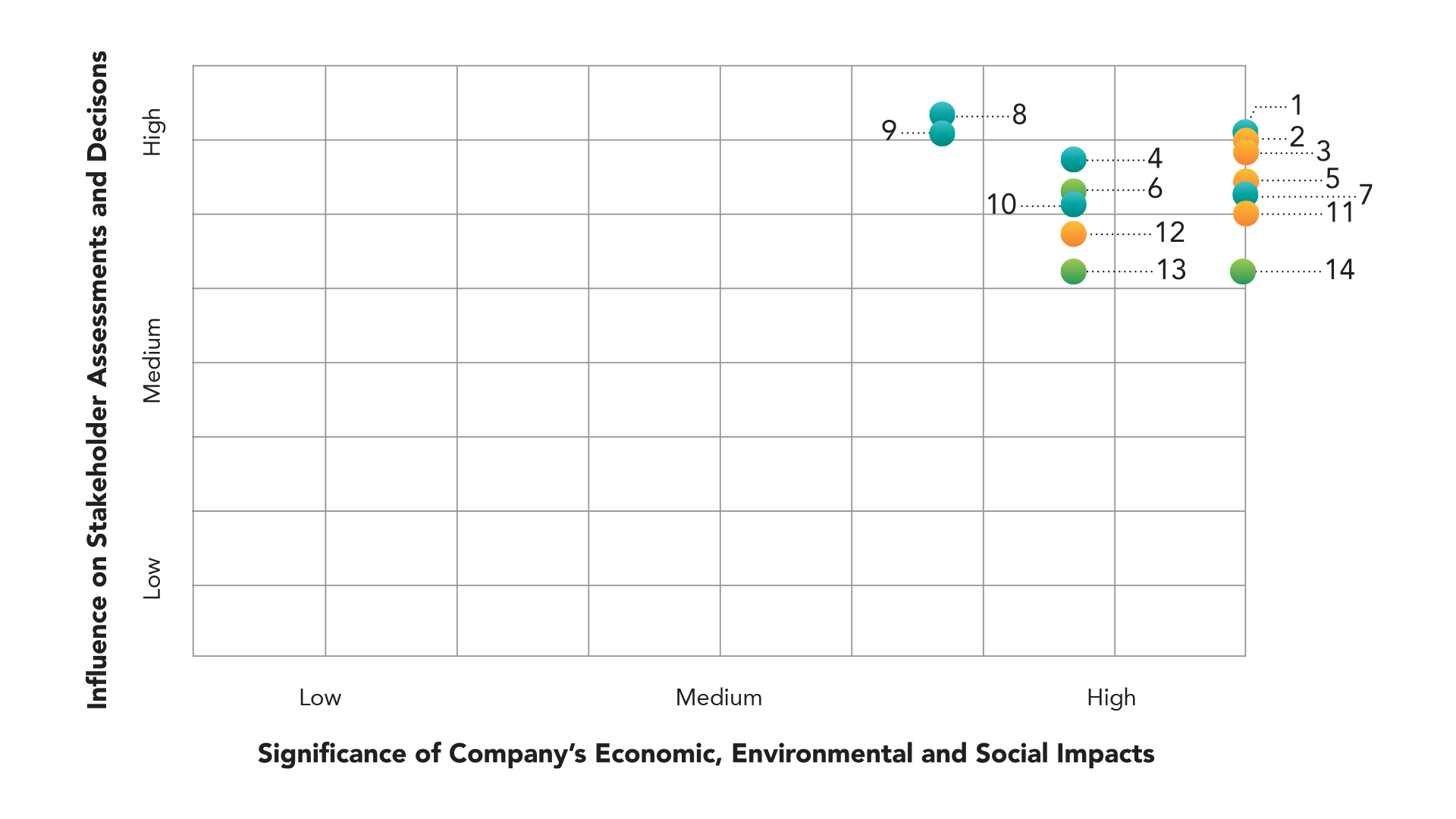
In FY2022, we identified 16 material matters through a comprehensive materiality assessment, reflecting their utmost relevance to our business. To ensure ongoing relevance to our business, stakeholders and industry, we conducted a validation process involving a thorough internal review and discussion. The 14 material topics were presented to the Board of Directors, where each item underwent detailed consideration and sought the board’s approval for inclusion. The management has streamlined the material topics from 16 to 14 for FY2023. This strategic adjustment underscores the company’s commitment to aligning its reporting efforts with the most relevant and impactful issues for the reporting period. The material topics are further categorised into sustainability themes as follows:

Our Business Performance

Our Environmental Management

Our People

1.

Customer Satisfaction & Relationship

4.

Product & Service Quality

7.

Economic Performance

8.

Supply Chain Management

9.

Cybersecurity & IT Resource Management (ERP System)

10.

Technology, Innovation & Development

6.

Waste & Hazardous Materials Management

13.

Climate Change & Environmental Issues

14.

Energy Management

2.

Employee Well-Being Health & Safety

3.

Ethics & Compliance

5.

Labour Practices & Rights

11.

Attracting, Developing, Rewarding & Retaining Employees

12.

Employee Learning & Development

Our Business Performance

1.

Customer Satisfaction & Relationship

4.

Product & Service Quality

7.

Economic Performance

8.

Supply Chain Management

9.

Cybersecurity & IT Resource Management
(ERP System)

10.

Technology, Innovation & Development

Our Environmental Management

6.

Waste & Hazardous Materials Management

13.

Climate Change & Environmental Issues

14.

Energy Management

Our People

2.

Employee Well-Being Health & Safety

3.

Ethics & Compliance

5.

Labour Practices & Rights

11.

Attracting, Developing, Rewarding & Retaining
Employees

12.

Employee Learning & Development

Figure 4:
Our top 14
material topics

At SAMEE, we strongly support the United Nations’ Sustainable Development Goals (“UN SDGs”)’s 2030 Global Goals, where the 17 identified Goals are to lead communities, corporations and governments into creating a better world for all of us
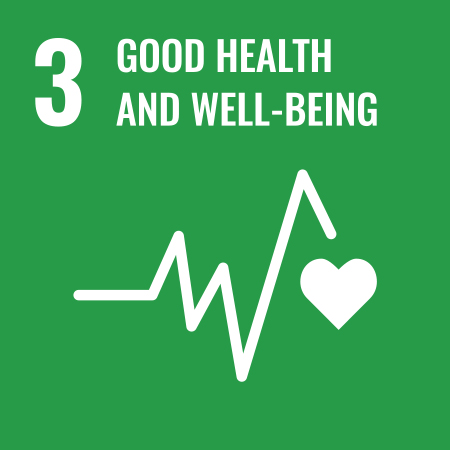
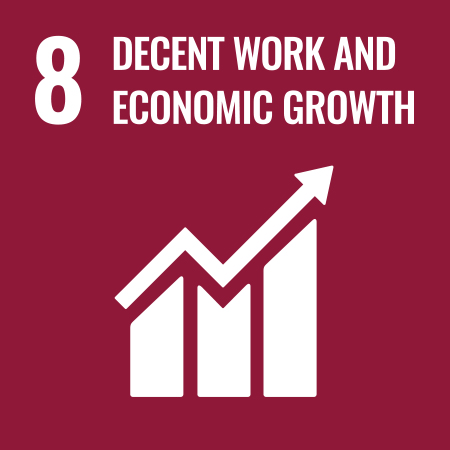
During the FY2023, we updated the relevance of our chosen United Nations’ SDGs by conducting an internal survey with the members of the SCWG to identify the SDGs that are most relevant to SAMEE by taking into consideration our material matters, business strategies, principal risks, stakeholder influence and effects on our community. The 4 SDGs that were identified as the most relevant are as follows:

Table 2: SAMEE’s Top 4 SDGs

View Table

OUR BUSINESS
PERFORMANCE

OUR ENVIRONMENTAL
MANAGEMENT

OUR 
PEOPLE

Figure 4: Our top 14 material topics

Figure 4: Our top 14 material topics

Sustainable
Development Goals
Definition Key Stakeholders
Impacted
Targets
Ensure healthy lives and promote well-being for all at all ages
  • Employees
  • Management
  • Directors
  • Community
  • To reduce the number of man-hour lost/ employees from work hazardous with 20% by 2025 and 30% by 2030.
Promote sustainable economic growth, full and productive employment, and decent work for all
  • Customers
  • Investors/
    Shareholders
  • Employees
  • Community
  • Media
  • To protect labour rights and promote safe and secure working environments for all workers, including migrant workers by having enhanced policy and awareness by complying with Responsible Business Alliance (“RBA”) labour rights requirements in the following areas:
  • Young Workers
  • Wages and Benefits
  • Humane Treatment
  • Non-Discrimination/Non-Harassment and
  • Freedom of Association
Take urgent action to combat climate change and its impacts
  • Customers
  • Community
  • Vendors/
    Suppliers
  • Reduce 10% of GHG emissions intensity in the next 3 years
  • Introduce solar panels to one of our factories by end of 2023
Ensure sustainable consumption and production patterns
  • Customers
  • Vendors/
    Suppliers
  • RoHS Compliance
  • Conflict Mineral Compliance